Active Harmonic Filter (AHF)
Dynamic, IGBT / SiC-based harmonic mitigation that drives THDi below 5%, corrects power factor and balances loads for VFD, UPS and industrial applications.

What Is an Active Harmonic Filter
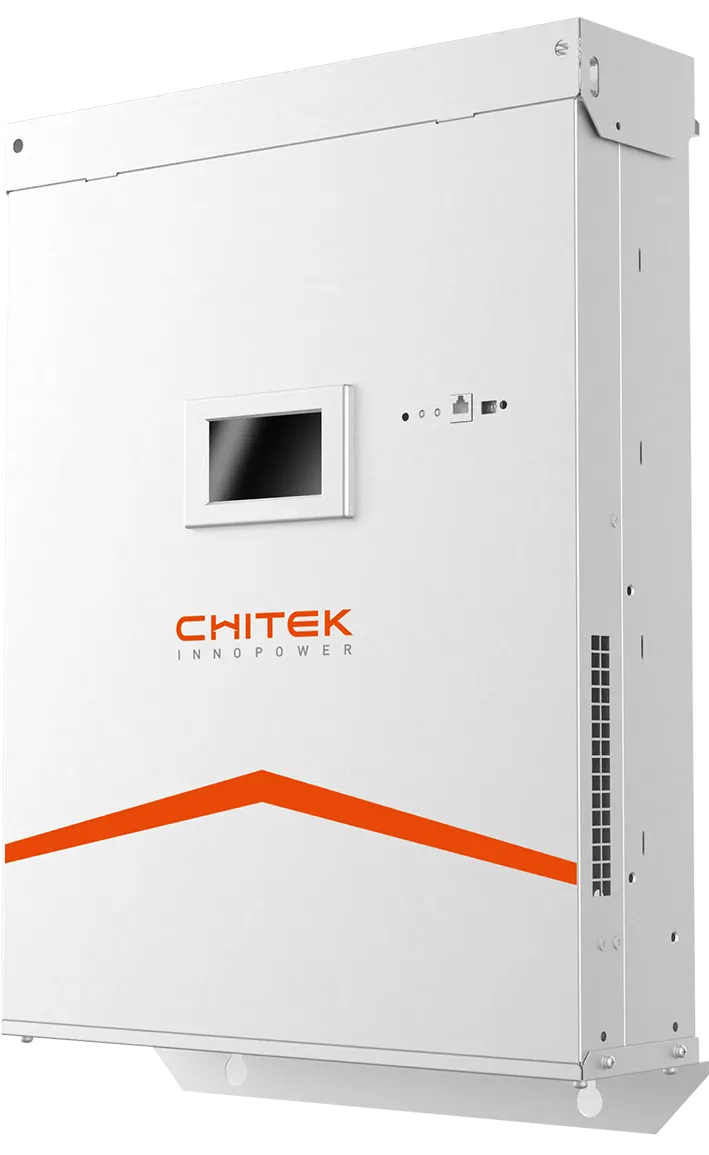
An Active Harmonic Filter (AHF) is a solid-state power-quality device that eliminates harmonic distortion at its source. Nonlinear loads — variable frequency drives (VFDs), UPS systems, LED drivers, rectifiers and welding equipment — generate 3rd, 5th, 7th and higher-order harmonics that overheat transformers, waste cable capacity and trip sensitive equipment.
Instead of tuning fixed reactors, the CHITEK AHF measures the load current in real time and injects a precisely equal, opposite-phase compensation current. The result is a clean sinusoidal grid current with THDi held below 5% per IEEE 519 — without the resonance risk of passive filters.
How an Active Harmonic Filter Works
Sense (CT)
An external current transformer samples the load current continuously at the point of common coupling.
Analyze (FFT + DSP)
A DSP / FPGA runs an FFT to separate 2nd–51st order harmonics, reactive power and imbalance in microseconds.
Command (IGBT / SiC)
The inverter bridge is commanded to synthesize the required compensation current at 20 kHz switching.
Inject
A counter-phase current is injected in parallel, cancelling the harmonic component at its source.
Clean Grid
The utility sees only the fundamental — THDi < 5%, improved power factor, balanced phases.
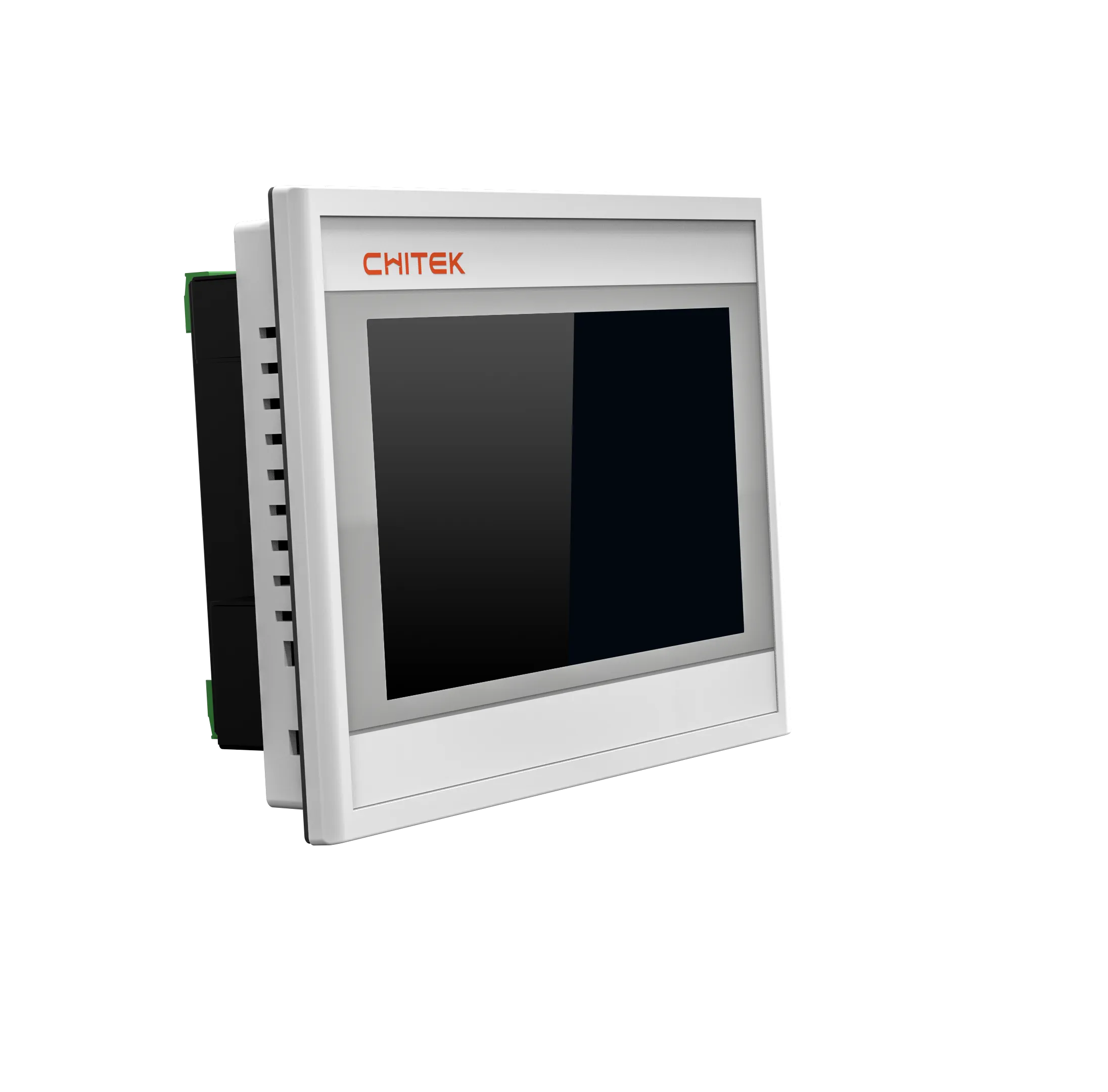
Real-time harmonic spectrum and compensation status on the front HMI.
Key Features
Core Technology Advantages
Harmonic Mitigation
Suppresses 2nd–51st order harmonics, holding THDi below 5% and eliminating resonance risk.
Power Factor Correction
Dynamic reactive compensation keeps PF in the 0.95–1.0 range and avoids utility penalty charges.
Neutral Current Relief
3P4W mode cancels accumulated 3rd-harmonic neutral current, preventing overload and fire hazard.
Load Balancing
Redistributes phase currents to remove three-phase unbalance and stabilize voltage.
Technical Specifications
| Rated Voltage | 208–690 V |
|---|---|
| Rated Capacity | 50 A – 200 A per module (parallel expandable to 3000 A+) |
| Frequency | 50 / 60 Hz |
| Wiring Mode | 3P3W / 3P4W |
| Filtering Range | 2nd – 51st order harmonic |
| Full Response Time | < 50 μs |
| Switching Frequency | 20 kHz |
| Efficiency | ≥ 97% |
| THDi (after compensation) | < 5% (IEEE 519) |
| Topology | 3-level NPC, IGBT / SiC |
| IP Class | IP20 (customizable) |
| Protection Standard | IEC 61000 / IEC 62477 |
| Communication | MODBUS / optional Ethernet |
Four Product Series, Full-Scenario Coverage
From standard cabinets to extreme environments, from harmonic filtering to reactive power compensation — find your configuration.
Standard Series (L-Series)
50–200A/module Floor-standing Commercial / Light IndustrialThe general-purpose cabinet AHF for commercial and light-industrial sites. Capacity 50 A – 200 A per module, parallel expandable. Best for UPS rooms, HVAC VFDs and building distribution where a floor-standing cabinet fits.
SiC Series (C-Series)
Highest density Floor-standing Efficiency-criticalSilicon-carbide topology delivers higher switching efficiency, greater power density and lower thermal loss in the same footprint. Ideal for space- and efficiency-critical installations that demand the smallest cabinet for the highest capacity.
Distributed Series (D-Series)
Hot-swappable N+1 redundant Large plantsModular, hot-swappable units deployed close to distributed loads. N+1 redundancy and cable-saving parallel operation make it the choice for large plants with many separate feeder panels.
Anti-Pollution Series (A-Series)
16-way protection Anti-resonance Arc furnace / millEngineered for severe harmonic environments — arc furnaces, rolling mills, welding lines and rectifier loads. Reinforced protection (16-way wide range) and anti-resonance control keep the grid stable under the dirtiest profiles.
Ultra-Slim Series (U-Series)
Wall-mounted 45mm ≤ 100A Retrofit / small SSWall-mounted, 45 mm-class slim unit for space-constrained switchrooms up to ~100 A. Brings active filtering to retrofits and small substations where a floor-standing cabinet cannot fit.
Applications by Industry
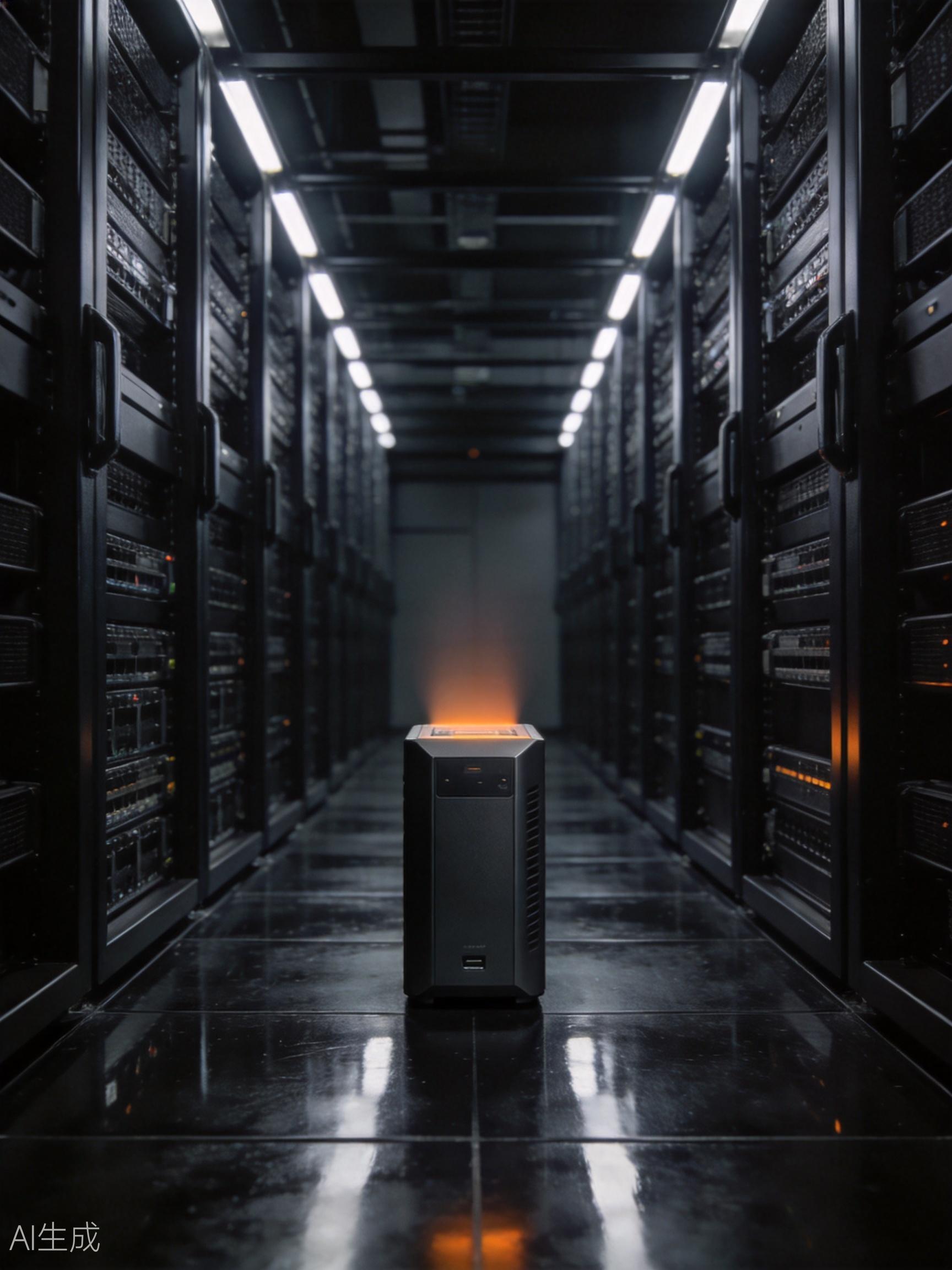
Data Centers
Cancels UPS capacitive reverse flow, holds PF at 0.95–1.0.

Textile & Manufacturing
Tames VFD harmonics on spinning, weaving and extrusion lines.
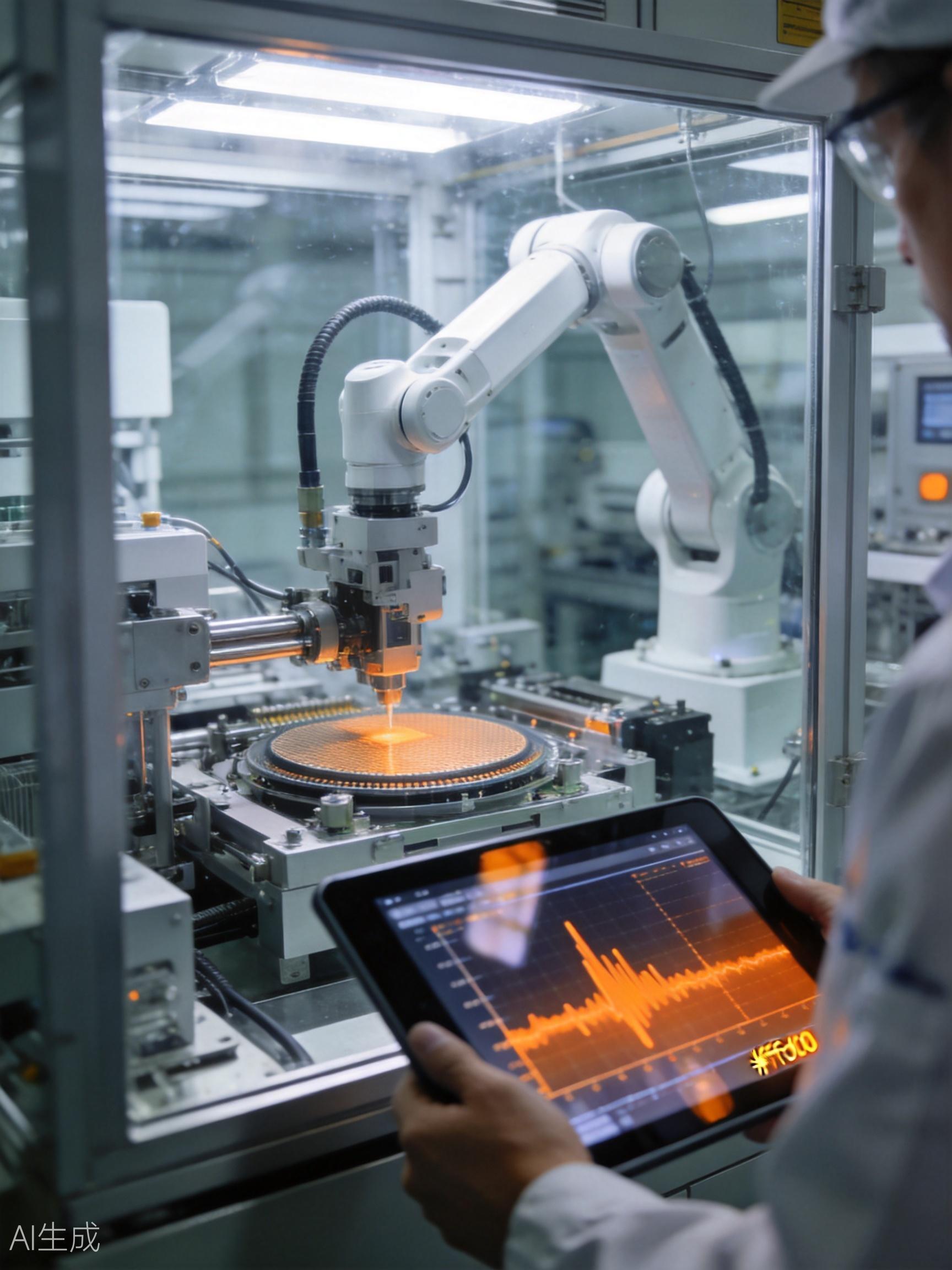
Metals & Mining
Arc-furnace flicker suppression and reactive support.
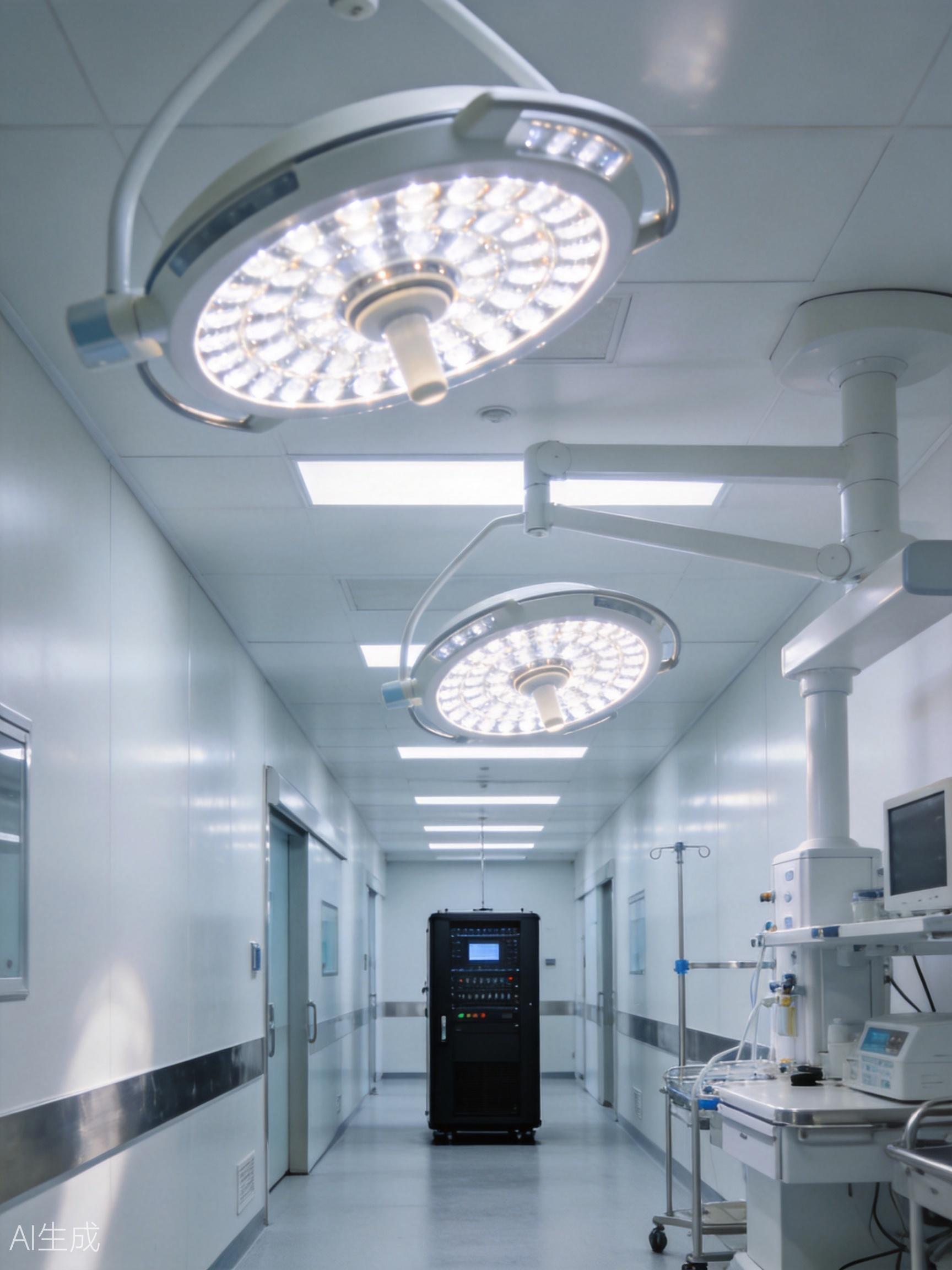
Healthcare
Protects imaging and life-support equipment from harmonic interference.

Commercial Buildings
Reduces transformer heating and neutral overload in 3P4W systems.
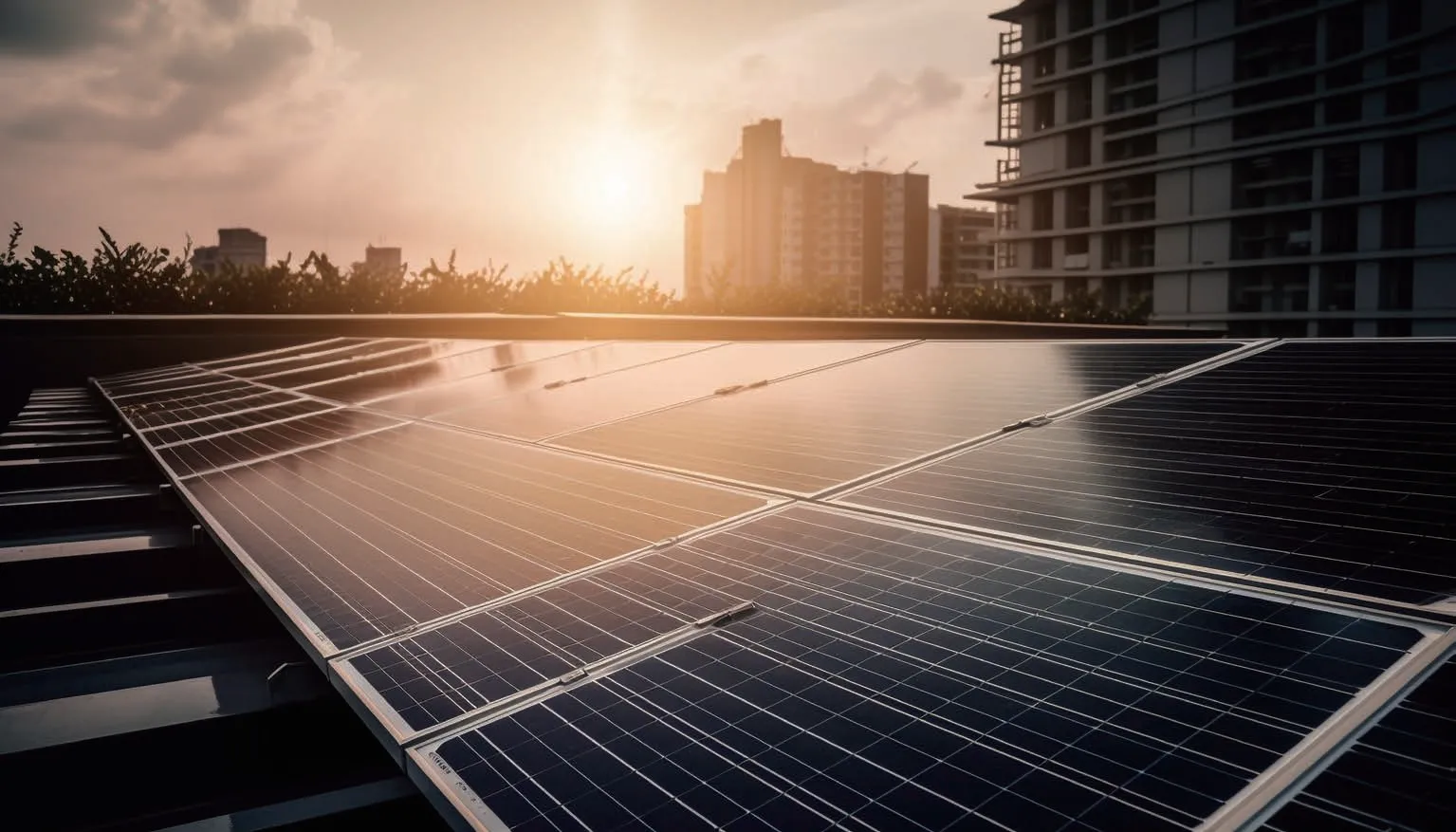
Renewables & Storage
Meets grid-code PF requirements for solar and BESS inverters.
Proven in the Field
From semiconductor fabs to water-treatment plants — CHITEK AHF keeps THDi compliant and equipment running.
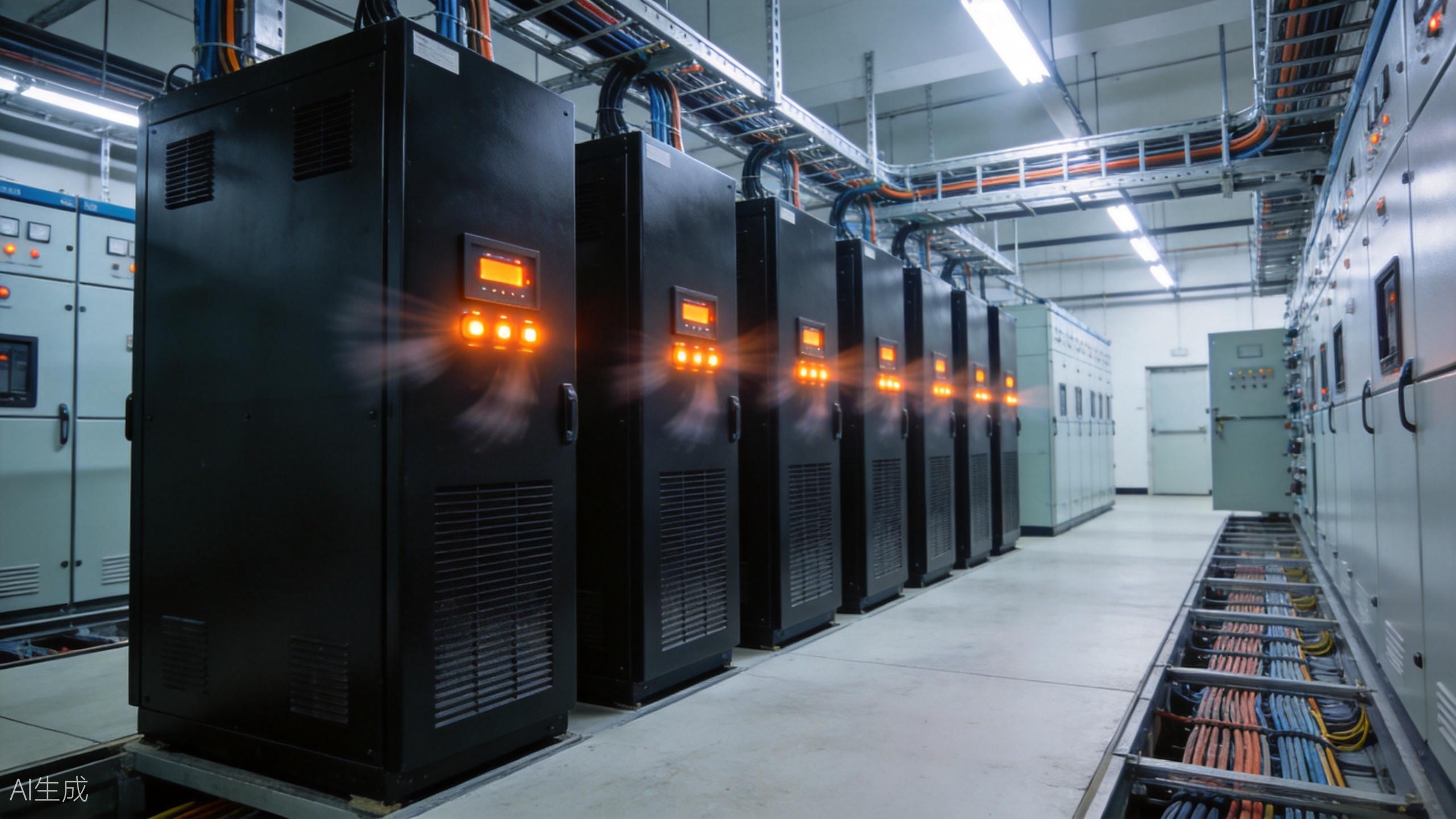
Semiconductor Fab — THDi 35% → < 5%
A 2 × 200 A AHF rack brought the lithography line's harmonic distortion under IEEE 519 in under a day, eliminating recurring VFD trips.

Water Treatment — Neutral Relief & PF
3P4W AHF cancelled accumulated 3rd-harmonic neutral current and lifted power factor to 0.98 across 12 pump VFDs.
Why Choose CHITEK
A power-electronics OEM trusted across utilities, EPCs and industrial end-users — from standard cabinets to fully customized ODM programs.
Units Delivered
In-house R&D and automated SMT line since 2019 — every AHF engineered and tested under one roof.
Certified Quality
Designed to IEC 61000 / IEC 62477, with TÜV / CE-type approvals and full harmonic-compliance test reports.
Countries Served
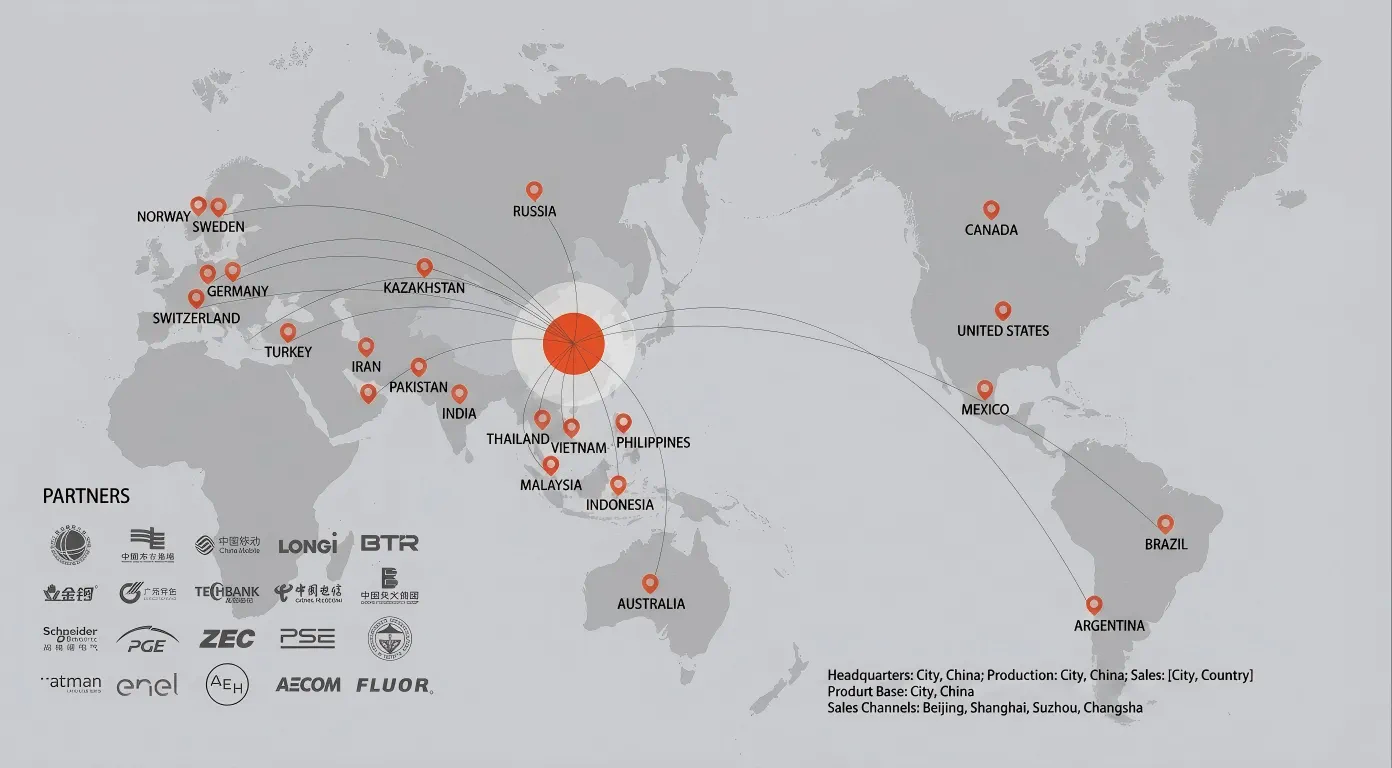
Multilingual engineering support in EN / ES / PT / AR / ZH, with regional partners for commissioning.
Fast Delivery
Stock modules for quick dispatch and flexible ODM / OEM customization on voltage, capacity and HMI.
Engineered and Tested In-House
Automated SMT line, in-house harmonic-compliance test bay and a global service network — every unit ships verified.
Automated Production
SMT assembly and burn-in under one roof since 2019.
Global Support
Multilingual engineering support across 30+ countries.
Verified Quality
Full harmonic-compliance test reports with every shipment.
AHF vs Passive Filter & Line Reactor
| Criterion | Active Harmonic Filter | Passive Filter / Line Reactor |
|---|---|---|
| Compensation | Real-time, any spectrum | Fixed tuned frequencies only |
| Resonance risk | None (infinite grid impedance) | Can resonate with grid impedance |
| Reactive / imbalance | Yes, simultaneously | No |
| Best for | Dynamic / variable loads | Stable, predictable loads |
Frequently Asked Questions
What is an Active Harmonic Filter (AHF)?
An Active Harmonic Filter (AHF) is a power quality device that continuously measures the load current with a CT, calculates the harmonic, reactive and unbalanced components with a DSP/FPGA, and injects an equal and opposite compensation current through an IGBT or SiC inverter — cancelling harmonics in real time and keeping Total Harmonic Distortion (THDi) below 5%.
How does an active harmonic filter work?
The AHF samples the load current via an external CT, runs an FFT in the DSP to separate 2nd–51st order harmonics, then commands the IGBT/SiC bridge to synthesize a counter-phase current. The grid then sees only the fundamental — harmonics, reactive power and neutral current are all compensated dynamically.
Active harmonic filter vs passive filter: what is the difference?
A passive filter uses fixed LC tanks tuned to specific frequencies; it can resonate with the grid impedance and only treats known harmonics. An AHF measures and cancels any harmonic spectrum in real time, avoids resonance, and also corrects power factor and imbalance — ideal for variable and dynamic loads.
When should I use an AHF instead of an SVG?
Use an AHF when harmonic distortion (THDi) is the problem — VFDs, UPS, rectifiers, welding. Use an SVG (Static Var Generator) when the priority is reactive power and voltage stability with low harmonic content. Many sites deploy AHF + SVG together for full power-quality correction.
What THD limit must my system meet?
IEEE 519 limits harmonic current distortion to typically 5%–8% depending on the short-circuit ratio at the point of common coupling; G5/4 and regional grids set similar thresholds. Exceeding them risks utility fines, supply restrictions and failed commissioning. A properly sized AHF holds THDi under 5%.
How do I size and select an active harmonic filter?
Size the AHF from the load's harmonic spectrum and total current. Rule of thumb: select 20%–30% of the nonlinear load rated current for harmonic compensation, plus reactive-power needs. CHITEK offers a selection matrix by voltage class, series and capacity (50 A–200 A per module, parallel expandable to 3000 A+).
Can an AHF handle 3-phase 4-wire neutral current?
Yes. In 3-phase 4-wire systems the 3rd harmonic accumulates in the neutral and can reach 1.7× the phase current. CHITEK AHF in 3P4W mode injects compensating neutral current, eliminating overload, insulation aging and fire risk.
Wall-mounted or cabinet AHF — which should I choose?
The Ultra-Slim (U-Series) wall-mounted unit fits space-constrained switchrooms up to ~100 A. For larger capacities, outdoor or parallel duty, choose a floor-standing Standard (L-Series) or Distributed (D-Series) cabinet. Selection depends on capacity, cooling and installation space.
How is the AHF installed and commissioned?
Install the AHF in parallel with the load downstream of the metering point, connect the CT around the incoming feeder, and power on. Configuration is done on the front HMI: set the compensation priority (harmonic / reactive / balance), and up to 10 units auto-synchronize in under 5 minutes with hot-swappable modules.
Get a Quote for Your Active Harmonic Filter
Send us your load profile and harmonic spectrum — our engineers will size the right series and capacity.