CT / MRI
Imaging Equipment
15%
THD
- Image Artifacts — Misdiagnosis risk, requires repeat scans, doubling patient wait time
- Equipment Overheat — Transformer derating, shortened component lifespan, unplanned maintenance
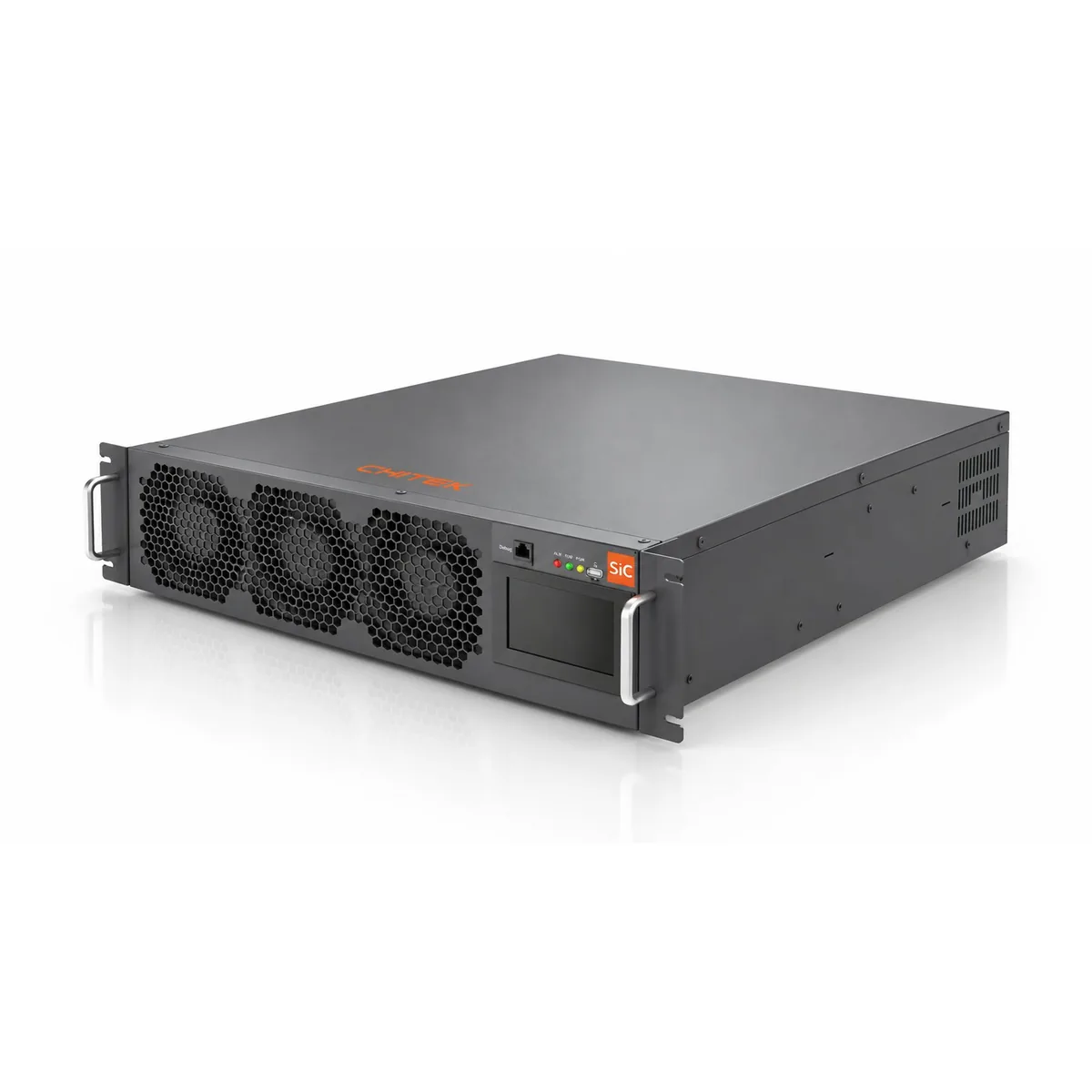
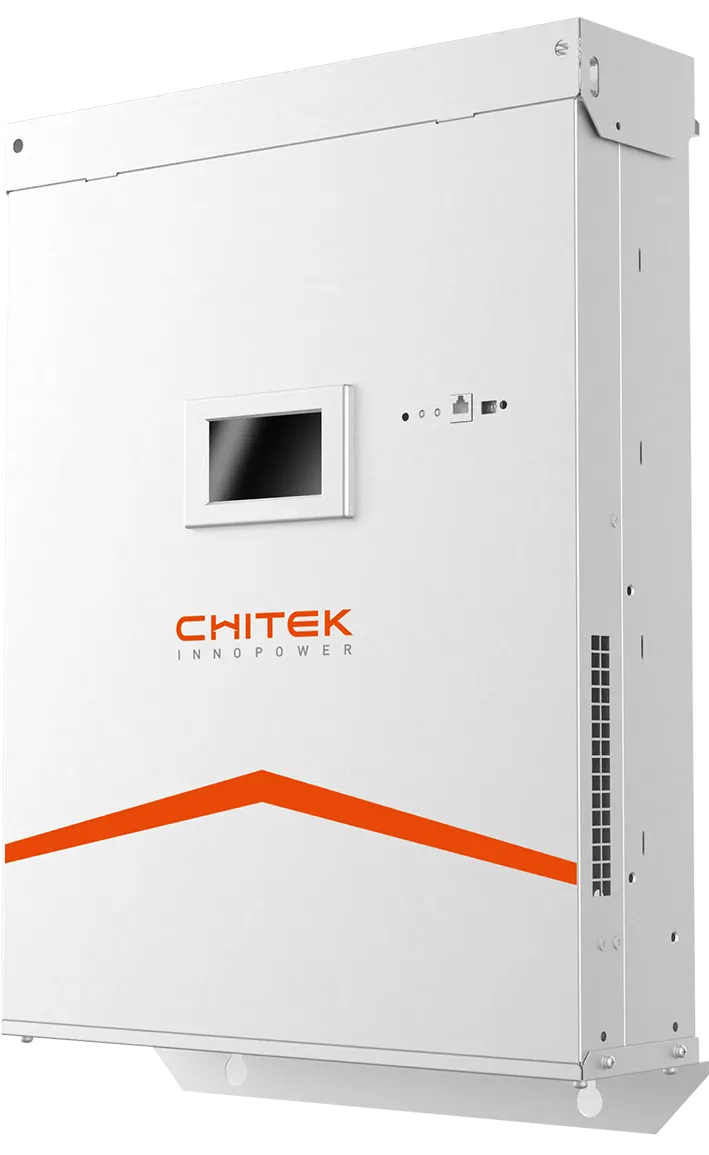
CHITEK retrofits AHF and SVG onto existing commercial and medical switchboards to cut harmonic distortion, neutral current and capacitor resonance. Typical sources are single-phase LED drivers, lifts and imaging equipment. In most cases the existing capacitor bank stays in service, with anti-resonance control and selective filtering orders holding the installation stable.
LED lighting, lifts, chillers and imaging equipment fill modern commercial and medical buildings. Single-phase LED drivers add third-harmonic current onto the neutral conductor, while capacitor banks installed for power factor correction can resonate with the transformer. CHITEK retrofits AHF onto existing switchboards without replacing the compensation equipment.
Reviewed by the CHITEK power quality engineering team · Last updated
The split usually follows the dominant symptom: overheating neutrals and LED distortion point to AHF, while chiller reactive demand and lift surges point to SVG.
| Aspect | AHF (Active Harmonic Filter) | SVG (Static Var Generator) |
|---|---|---|
| What it does | Injects a compensating current that cancels the harmonic current drawn by non-linear loads. | Supplies or absorbs reactive power continuously to hold power factor and support voltage. |
| Primary target | Current distortion (THDi) and harmonic spectrum at the point of common coupling. | Power factor, voltage fluctuation and reactive demand across the load cycle. |
| Typical trigger | VFD banks, rectifiers, welding sets, induction furnaces, LED drivers, UPS rectifiers. | Low or swinging power factor, voltage sag and rise, weak or long feeders, EV load steps. |
| Behaviour at light load | Compensation scales with the measured harmonic current, so output falls as load falls. | Holds output as required to reach the target power factor even at near-zero active load. |
| Use in this sector | Neutral and harmonic correction on floors dominated by LED lighting and single-phase electronic loads. | Reactive support for chiller and HVAC banks where power factor correction is already penalised, or to replace a resonating capacitor bank. |
Where a capacitor bank is already installed, the survey must confirm whether it can stay in service. Anti-resonance control and CT placement decide this, not the device type alone.
Hospital / Clinic / Rehabilitation
Imaging Equipment
15%
THD
Surgical Equipment
ms-level
Voltage Sag
Sensitive Analyzers
High
Zero-seq. Current
Office / Mall / Hotel
LED Driver Harmonic
23%
THD
VFD Start-up Surge
7x
Inrush
Compressor Reactive
0.65
Power Factor
Semiconductor / Biotech / Precision Mfg
FFU Fan VFD
> 1.0
Pst Flicker
Sensitive Instruments
30%
Voltage Dip
Motor Start-up
5~8x
Inrush
Each case below is written up the same way: what the site was, what the survey measured before anything was specified, what was installed, and what the acceptance test showed afterwards. Projects marked Typical Configuration are illustrative — sizing for those always starts from a site survey rather than from the table.
Commercial Building
Current distortion 49% → 2.75%; neutral zero-sequence current 365.76 A → 25.19 A
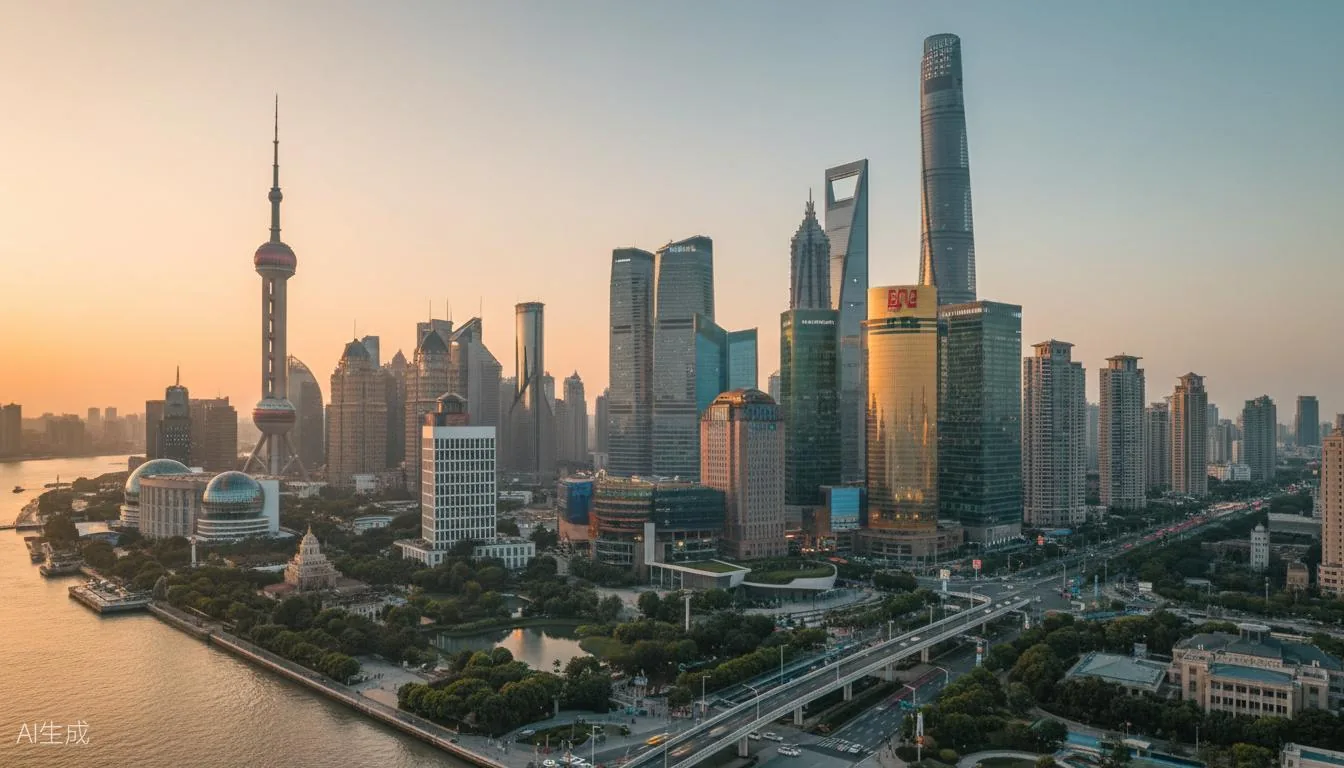
A wholesale garment market on a single 2,500 kVA transformer at roughly 90% load, with two compensation cabinets totalling 600 kvar. The dominant load is single-phase LED lighting and LED video walls on the trading floors.
2,500 kVA transformer at 90% load with 600 kvar of capacitor banks. LED lighting and LED video walls fill the mall — single-phase LED drivers inject heavy 3rd harmonic that adds up on the neutral conductor, taking current distortion to 49% and overloading the N line.
Distortion 49% → 2.75% · Neutral current 369 A → 36.51 A
Measured on the floor incoming feeders rather than at the utility metering point, so the figures describe the building distribution, not the site's PCC. Only two floors were treated.
Single-phase LED drivers draw a non-sinusoidal current that is rich in third harmonic. Third-harmonic currents do not cancel on the neutral, they add. On a heavily lit floor the neutral can end up carrying more current than a phase conductor.
Usually yes. The risk is parallel resonance between the capacitor bank and the transformer inductance, which amplifies harmonics instead of removing them. Anti-resonance control and selective filtering orders let the AHF operate with the bank still in service.
The harmonic sources differ, and the consequences are different. Imaging equipment and surgical loads are sensitive to voltage sag and phase imbalance, so the survey has to cover sag depth and unbalance, not only current distortion. The filtering hardware is the same product family.
The filter connects in parallel at the switchboard, so most retrofits are carried out on the existing board. The outage window is set by your site isolation and permitting procedure rather than by the equipment itself.
Every project on this page started with a measured survey. Send us your single-line diagram and load list and we will tell you what we would measure first.
Contact our engineers