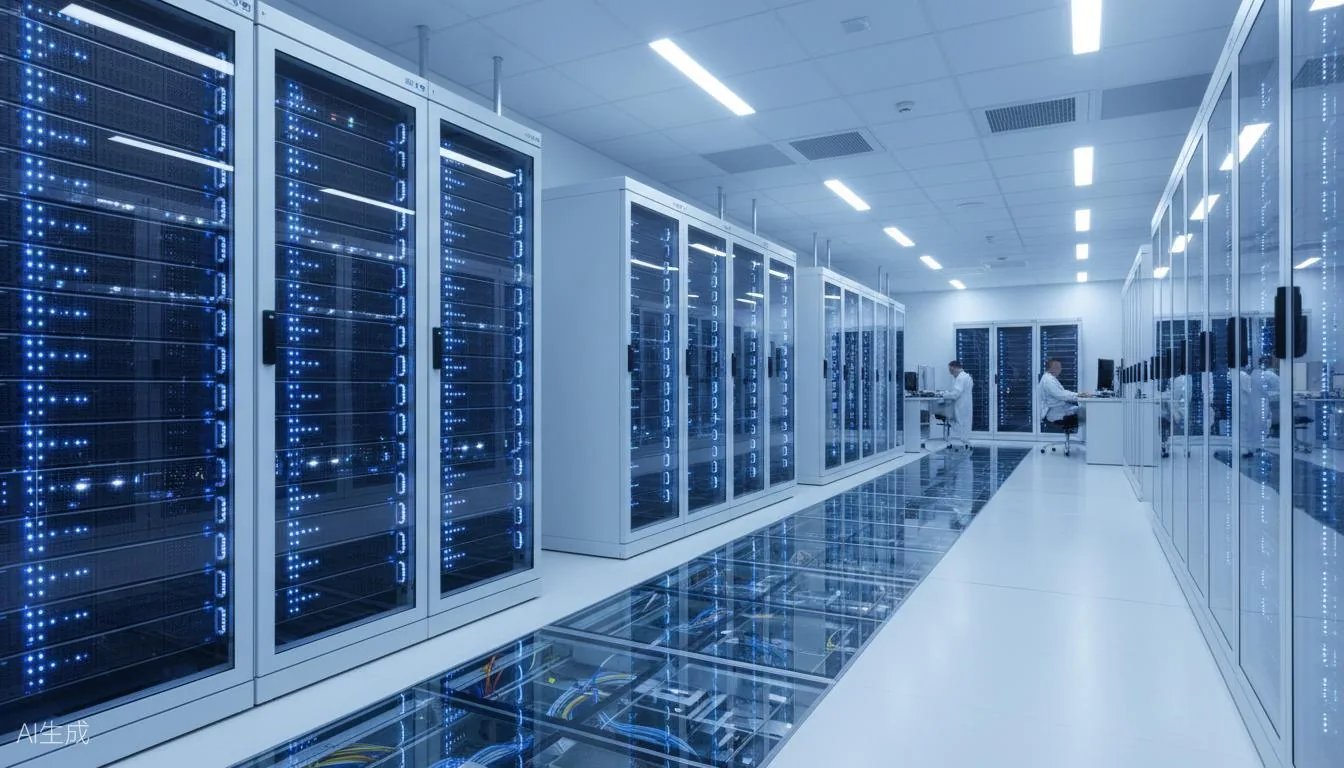
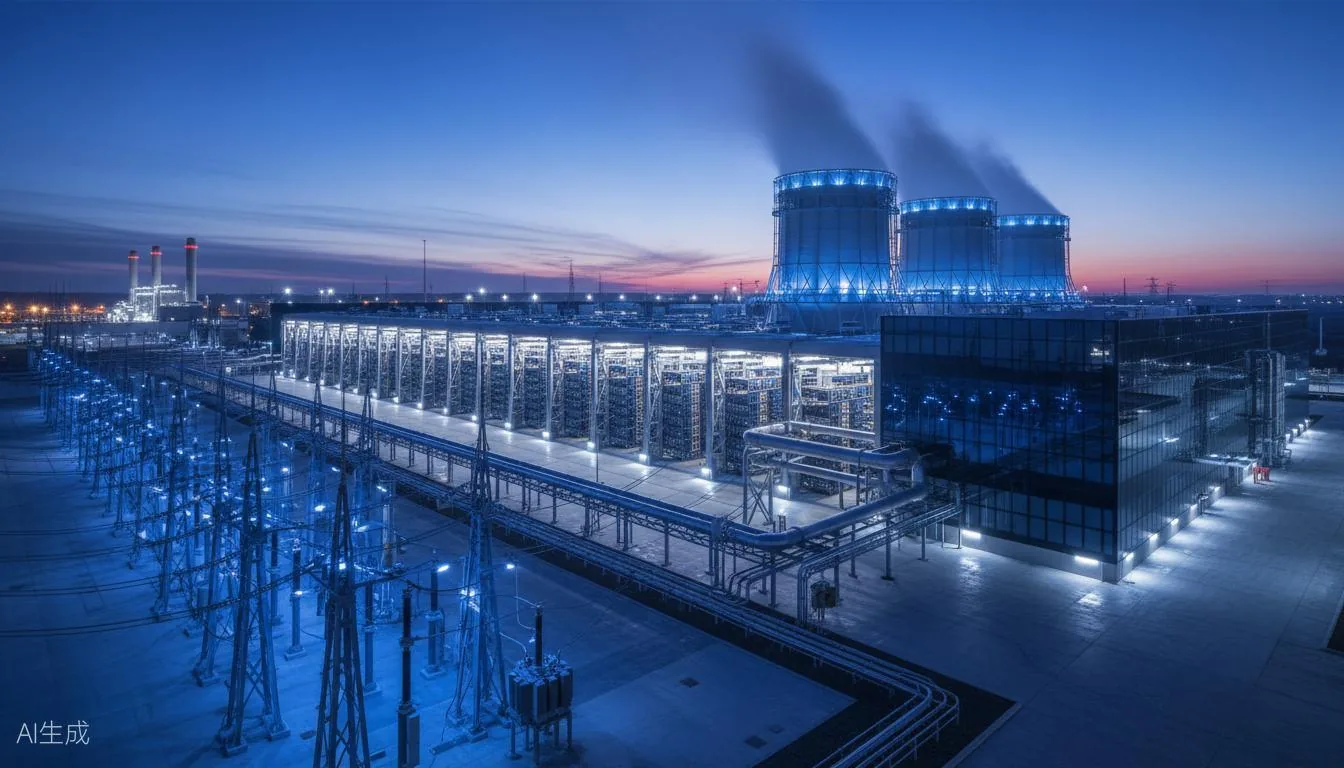
CHITEK mitigates UPS input harmonics, phase imbalance and reactive swing in data centres using AHF on the UPS feeder and SVG on the mechanical bus. Harmonic current raises transformer temperature and can circulate between parallel UPS units; imbalance loads the neutral. Both are measured in a single survey at the point of common coupling before sizing.
UPS rectifiers, single-phase IT loads and VFD-driven cooling all sit on the same feeder. Harmonic current raises transformer temperature, phase imbalance loads the neutral, and reactive swing from chillers drags power factor down at part load. CHITEK conditions the feeder upstream of the UPS and on the mechanical bus.
Reviewed by the CHITEK power quality engineering team · Last updated
AHF or SVG in a data centre?
Data centres usually separate the two buses: the UPS feeder is a harmonic problem, the mechanical bus is a reactive problem. They are measured and sized independently.
Aspect
AHF (Active Harmonic Filter)
SVG (Static Var Generator)
What it does
Injects a compensating current that cancels the harmonic current drawn by non-linear loads.
Supplies or absorbs reactive power continuously to hold power factor and support voltage.
Primary target
Current distortion (THDi) and harmonic spectrum at the point of common coupling.
Power factor, voltage fluctuation and reactive demand across the load cycle.
PUE Rise — Harmonic derating of cooling xfmrs, reduced cooling capacity, hot spot in racks
Control Fault — Harmonic noise on HVAC controller PSU, sensor drift, temperature oscillation
Edge Computing Node
5G Base / IoT / Distributed Room
Grid Quality
Unstable supply at remote/rural sites
>20%
Sag Depth
Node Offline — Frequent sag triggers mini-UPS battery discharge, cycle life exhausted within 6 months
Truck Roll Cost — Each site visit costs 800 CNY, 200+ nodes = 160K CNY/month O&M overhead
Small UPS
Overload risk at single-cabinet sites
>80%
Load Ratio
No Redundancy — N config, single UPS failure = complete node outage, SLA 99.9% breached
Battery Overheat — High charge rate in compact cabinet, thermal runaway, fire risk in unattended sites
Distributed Load
Phase imbalance from single-phase 5G/IoT
>10%
Unbalance
Efficiency Loss — DER coordination failure, negative-seq current, PCS derating 15%, curtailment
Single-phase Trip — Per-phase overcurrent, cascade trip of co-located equipment on same feeder
Data Center case studies
Each case below is written up the same way: what the site was, what the survey measured before anything
was specified, what was installed, and what the acceptance test showed afterwards. Projects marked
Typical Configuration are illustrative — sizing
for those always starts from a site survey rather than from the table.
Colocation / IDC
UPS Harmonic Mitigation on a Data Centre Feeder, Guangzhou
Harmonic current 204.96 A → 19.18 A; distortion 26.94% → 3.12%
Background
The TR1 feeder of an IDC hall, running between 200 A and 850 A with a displacement power factor of 0.975 before the retrofit. The existing filter cabinet was rebuilt rather than replaced.
What we measured
Load current 814.13 A at 82% load factor
Total harmonic current 204.96 A, Ithd 26.94%
Displacement power factor 0.975 before the retrofit
Per-phase distortion after treatment: 3.12% / 2.50% / 2.55% on A / B / C
Equipment installed
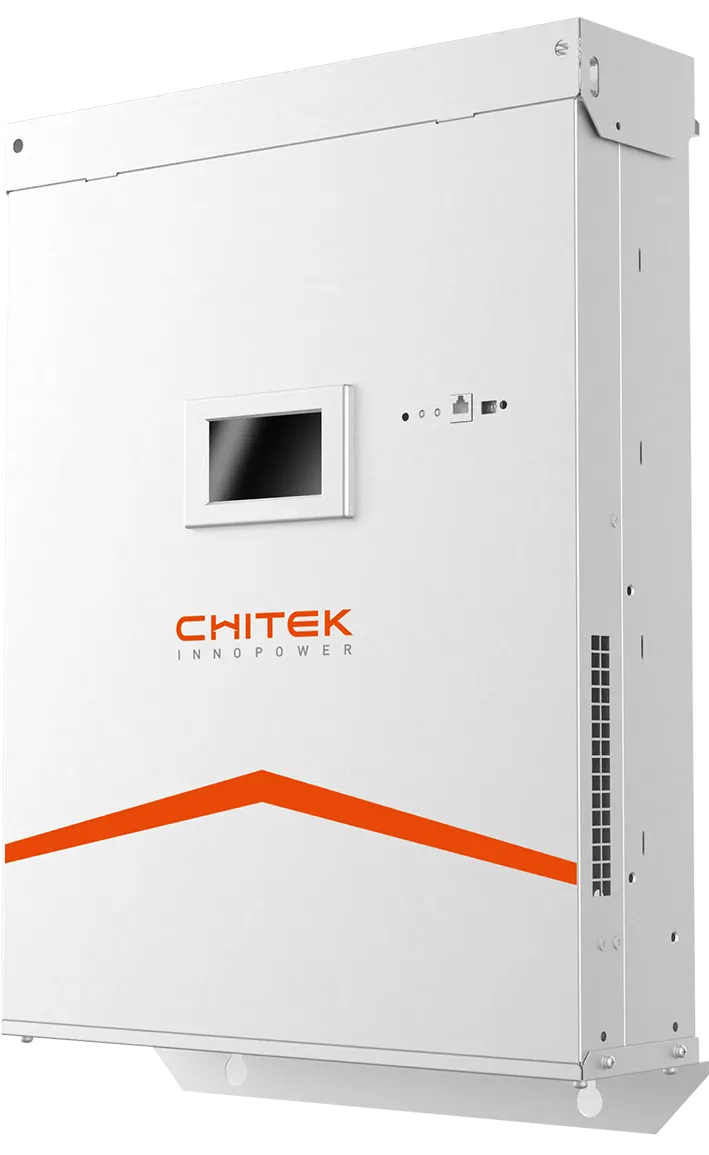
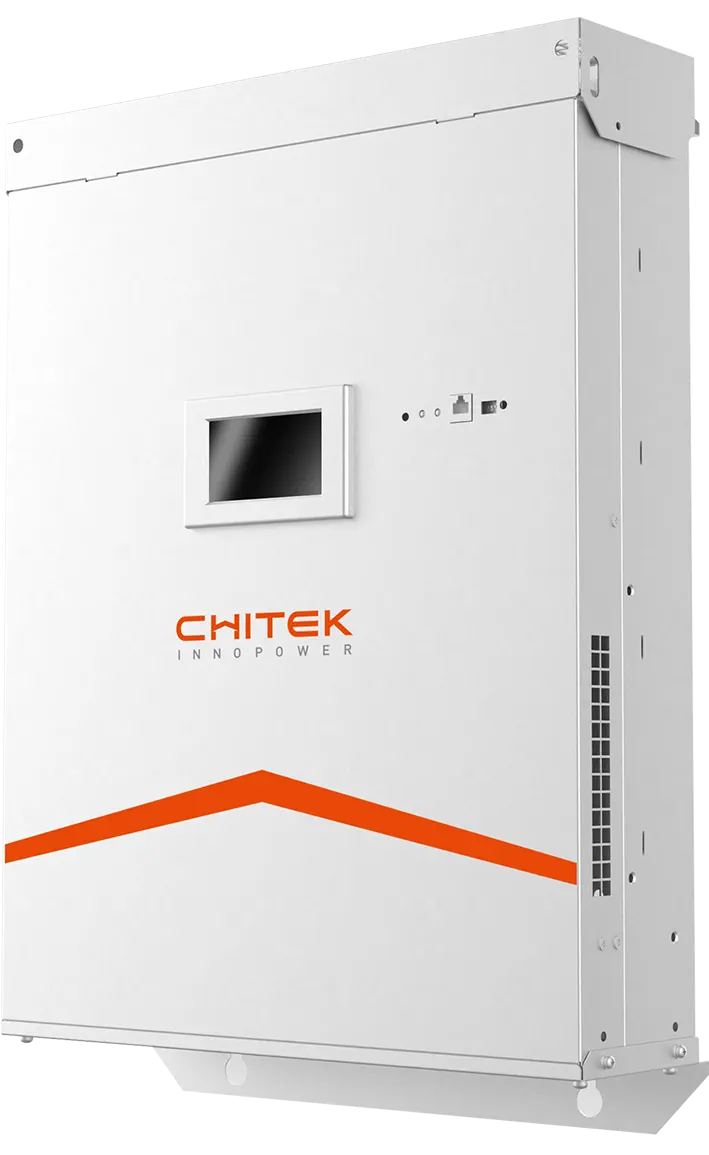
AHF-500A × 1 unitsActive Harmonic FilterRebuilt filter cabinet on the TR1 feeder
Project overview
TR1 feeder of an IDC hall, running current 200–850 A, displacement power factor 0.975 before retrofit. The existing filter cabinet was rebuilt around a new 500 A active filter. At 814.13 A load current (82% load factor) the measured harmonic current peaked at 204.96 A with 26.94% distortion.
Before / After
Harmonic current 204.96 A → 19.18 A · Distortion 26.94% → 3.12%
Key results
Phase-level distortion 3.12% / 2.50% / 2.55% on A / B / C
Power factor held at 0.981 in service
Every harmonic order within GB/T 14549 limits
IDC hall phases I and III passed fire-inspection filing
Scope and limitations
Covers one feeder of the hall, not the whole site. The figures are taken at 814.13 A load current (82% load factor), which is the point the commissioning report used for acceptance.
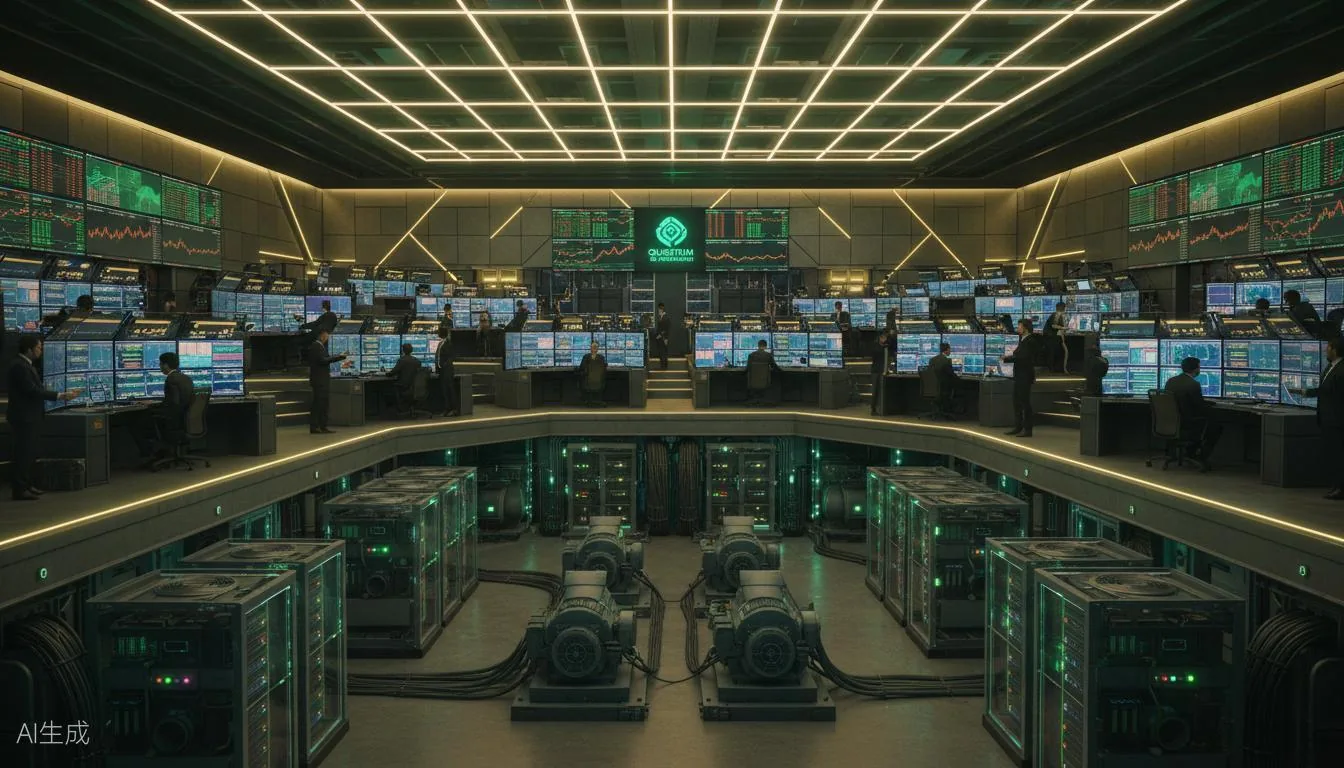
Typical Configuration · Financial DC
Typical Configuration — Financial Data Centre
Illustrative configuration — sizing starts from a site power-quality survey
Background
An illustrative arrangement for a bank, securities or insurance data centre, where UPS rectifier harmonics and ATS transfer transients dominate the design brief.
SVG-100A × 2 unitsStatic Var GeneratorTrading floor dynamic reactive support
Project overview
For bank, securities and insurance data centres, the usual arrangement is AHF at the UPS rectifier front-end plus SVG on the LV bus for dynamic reactive support. ATS transfer tests are the stress case — the sag window has to be measured before the filter rating is fixed.
Why there is no before / after here
Illustrative configuration — not a specific delivered project. Reference projects in this sector are available on request.
Key results
Sag window measured during an ATS transfer test before sizing
Targets IEC 61000-3-3 flicker and site sag-tolerance requirements
Ask us for reference projects in financial data centres
Typical Configuration · Edge Computing
Typical Configuration — Edge Computing Nodes
Illustrative configuration — sizing starts from a site power-quality survey
Background
An illustrative arrangement for 5G MEC and distributed IoT sites, where the supply is unstable, the cabinet is small and the cost of a site visit outweighs the hardware.
Equipment installed
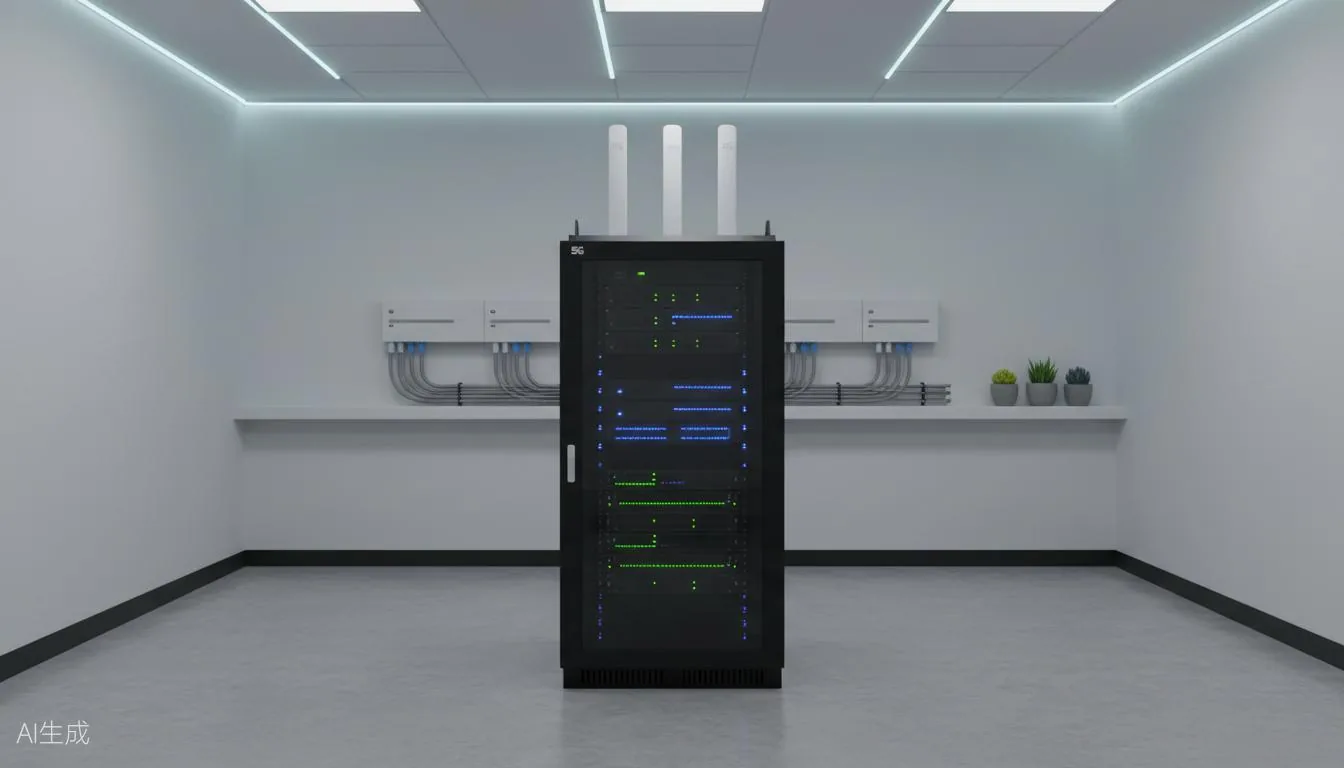
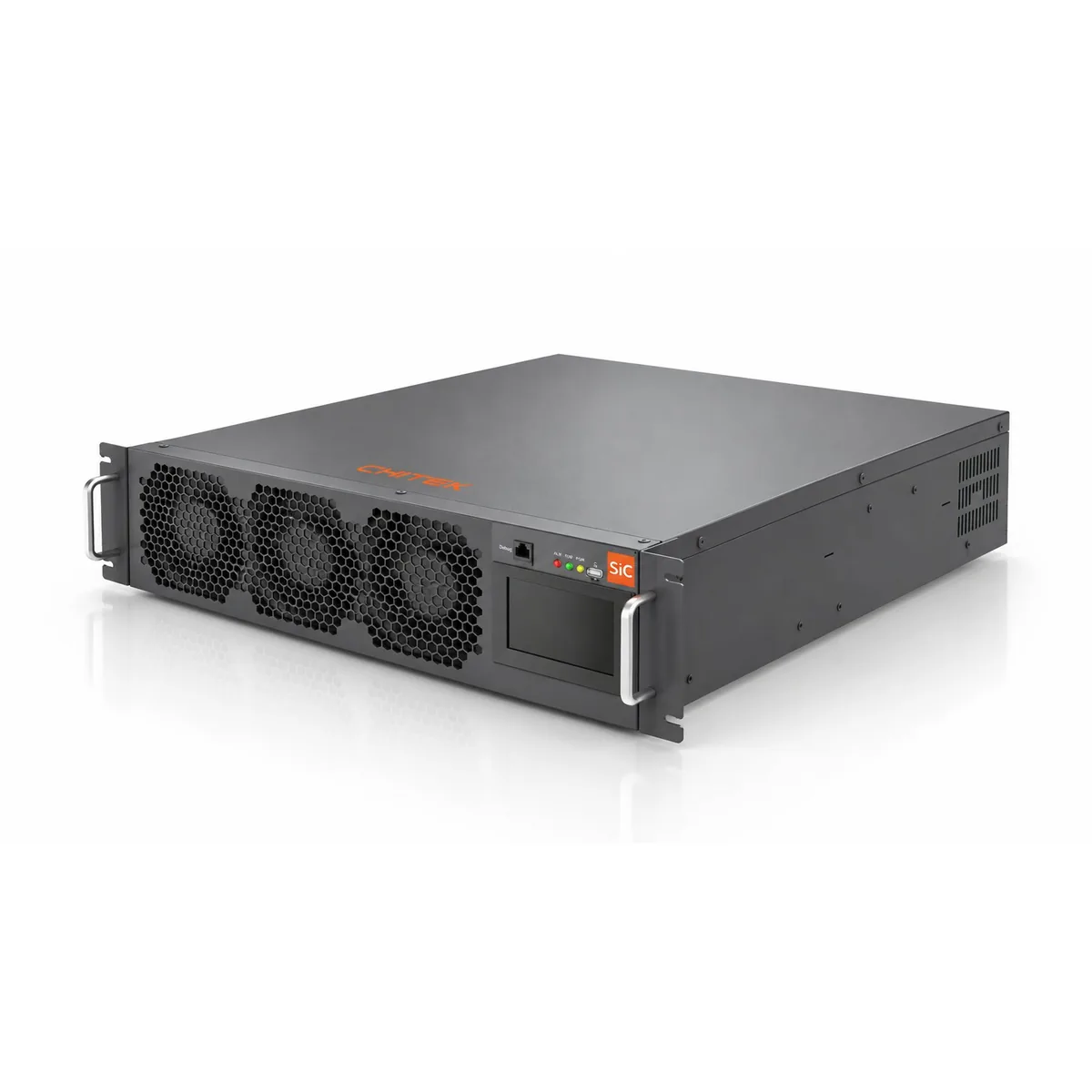
AHF-Slim × 1 unitsActive Harmonic Filter1U rack-mount per node cabinet
For 5G MEC and distributed IoT sites, the usual arrangement is a slim rack-mount AHF inside the existing cabinet plus centralised monitoring. Remote sites bring their own constraint: unstable supply and a truck-roll cost that dwarfs the hardware, so remote monitoring is not optional.
Why there is no before / after here
Illustrative configuration — not a specific delivered project. Reference projects in this sector are available on request.
Key results
Rating set per cabinet after a site survey
Remote monitoring included so truck rolls are not the default response
Ask us for reference projects in edge computing
Frequently asked questions
Where should an AHF be installed in a data centre?
At the feeder upstream of the UPS, or on the mechanical bus feeding chillers and CRAC units. Installing downstream of the UPS output is possible but usually unnecessary, because the UPS already conditions its own output.
Does harmonic filtering improve PUE?
Indirectly. Harmonic current causes extra loss in transformers and cables and can force a transformer to run hotter than designed, so removing that current reduces those losses. PUE depends on the whole mechanical and electrical design, so the effect has to be measured rather than assumed.
Is phase imbalance a separate problem from harmonics?
Yes. Single-phase IT loads spread unevenly across the phases create negative-sequence and zero-sequence current. Harmonics are a waveform problem, imbalance is a distribution problem, and both are normally measured in the same survey.
Can edge sites with small UPS systems use the same equipment?
Yes, in smaller ratings. Remote and rural edge nodes often have worse supply quality than a core data centre, so the survey step matters more there, not less.
Every project on this page started with a measured survey. Send us your single-line diagram and load list and we
will tell you what we would measure first.