A mid-sized oil and gas processing plant relied on high-capacity centrifugal pumps driven by variable-frequency drives that injected substantial harmonic current into the local low-voltage (≤ ~1 kV) bus. Recurring distortion caused transformer overheating, control-system errors, and unplanned shutdowns. This case study shows how a CHITEK low-voltage Active Harmonic Filter (AHF) resolved it.
The Problem: Harmonic Distortion in the Energy Sector
The plant’s VFDs returned harmonic currents to the grid. Technicians observed THDi frequently exceeding 30% during peak production, causing transformer overheating, control-system synchronization errors, and unexpected plant shutdowns.
The AHF Solution
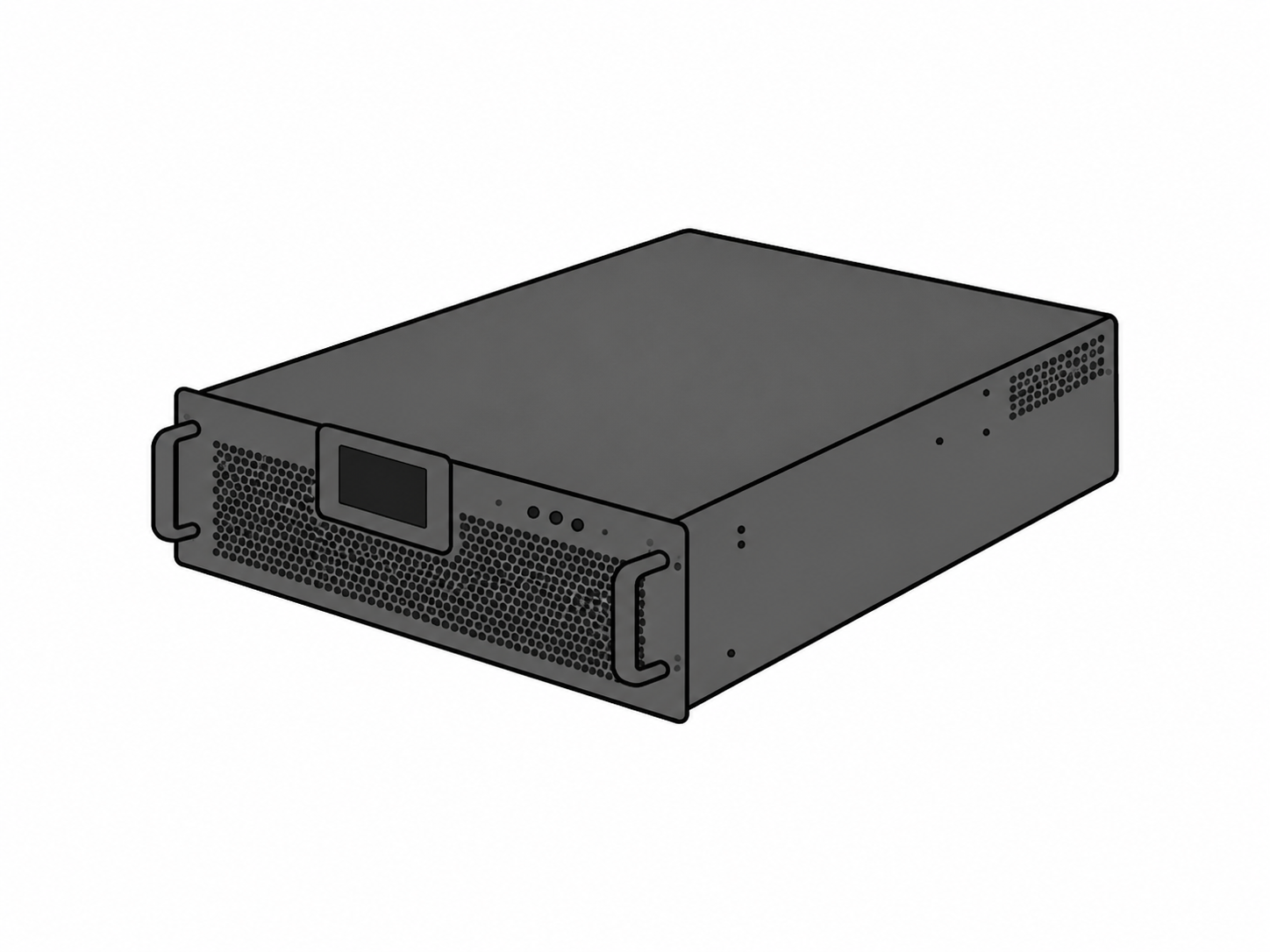
The plant chose a centralized low-voltage AHF at the main distribution board. The selected unit: 300 A modular, 380–415 V AC, 2nd–50th harmonic cancellation, 20 kHz switching, < 100 µs response.
Measured Results
THDi fell from 32.5% to 3.8%, voltage distortion from 7.2% to 2.1%, transformer temperature dropped 18 °C, and current imbalance collapsed from 8% to 1.5%. Nuisance tripping ceased and availability rose dramatically.
The Converter Core: IGBT and SiC
CHITEK low-voltage AHF platforms are built on the IGBT→SiC migration path. A future SiC upgrade holds even lower THDi under heavier VFD loading.
Engineering Takeaway
In the energy industry, harmonics are a strategic risk. Deploy a dynamically controlled, IGBT→SiC CHITEK low-voltage AHF sized to the actual harmonic current, and the complex electrical environment stays reliable.
Conclusion
This case study demonstrates that a properly sized, centrally deployed low-voltage AHF can restore power quality in oil and gas facilities, delivering measurable reliability gains and cost savings.
CHITEK Technical Team
4 min read